The Surprising History of the Rubber Band: From Office Supply to Ingenious Tool
The rubber band has become a ubiquitous office supply, but its journey from a simple tool to an ingenious invention is quite fascinating. Invented in 1845 by Hastings, a British inventor, the rubber band was initially created to help keep papers together. Little did he know that this humble elastic loop would later find applications far beyond the office desk. In the late 19th and early 20th centuries, manufacturers began to explore the potential of rubber bands, leading to their widespread use in various industries including agriculture, packaging, and even in the military. The elasticity of rubber bands allows them to perform a variety of functions, making them more than just a paper organizer.
As we progressed into the modern era, the rubber band evolved into an ingenious tool utilized in unexpected ways. For example, artisans and craftspeople started using rubber bands for purposes like bundling materials, holding items together during construction, and even for creative projects such as art and jewelry making. One of the most intriguing adaptations is their use in science experiments and educational settings, allowing students to explore principles of physics and engineering. Additionally, the rise of DIY culture has further expanded the rubber band's role, making it a staple in every toolbox and recreational kit. Overall, the history of the rubber band showcases its transition from a simple office supply to a versatile tool used across countless fields.
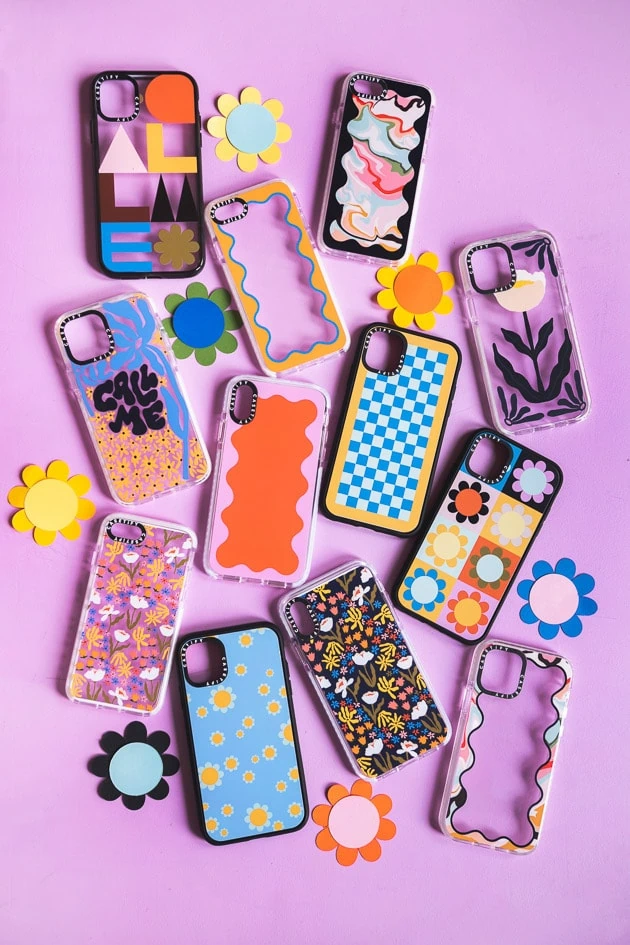
Counter-Strike is a popular first-person shooter game that pits teams of terrorists against counter-terrorists in a variety of game modes. Players can choose to play as either side, utilizing strategy, skill, and teamwork to emerge victorious. For gamers looking to enhance their experience, check out the Top 10 iphone accessories under 100 to discover gadgets that can elevate their gameplay.
How the Paperclip Revolutionized Organization: A Look at Its Unexpected Origins
The humble paperclip might seem like a mundane office supply, but its role in revolutionizing organization cannot be overstated. Originating in the late 19th century, the modern paperclip was patented by Norwegian inventor Johan Vaaler in 1899. However, the true innovation came from a simpler twist on a design already in existence, which aimed to hold papers together without damaging or puncturing them. This seemingly small shift not only made organization easier but also paved the way for more efficient document management systems in offices, schools, and homes worldwide.
Interestingly, the origins of the paperclip intersect with major historical events, including World War II, when it became a symbol of resistance in Norway. During this period, the paperclip was used as a way to express solidarity against Nazi oppression, showing how an everyday object could carry significant meaning. Its functional design has remained relatively unchanged, demonstrating that sometimes the simplest solutions can have the most profound long-lasting impacts on organization and productivity.
What Common Household Items Have Fascinating Backstories?
Many of the common household items we use every day come with fascinating backstories that often go unnoticed. Take, for example, the humble toothbrush. Its origins date back to the 15th century in China, where it was crafted from a combination of animal hair and bamboo. This simple invention revolutionized oral hygiene and spread to Europe by the 17th century, leading to the modern version we know today. The transition from natural bristles to nylon in the 1930s marked a significant leap in both convenience and accessibility, making it an essential item in households around the globe.
Another everyday item with an intriguing history is the light bulb. While many attribute its invention to Thomas Edison in the late 19th century, the concept of electric light had been explored long before. Sir Humphry Davy created the first electric arc lamp in 1802, but it wasn’t until Edison and Joseph Swan developed their versions that the light bulb became practical for consistent use in homes. This innovation not only changed how we illuminate our spaces but also paved the way for the modern electrical systems we rely on today. The light bulb's evolution represents the intersection of creativity, necessity, and technological advancement, marking a significant milestone in household history.