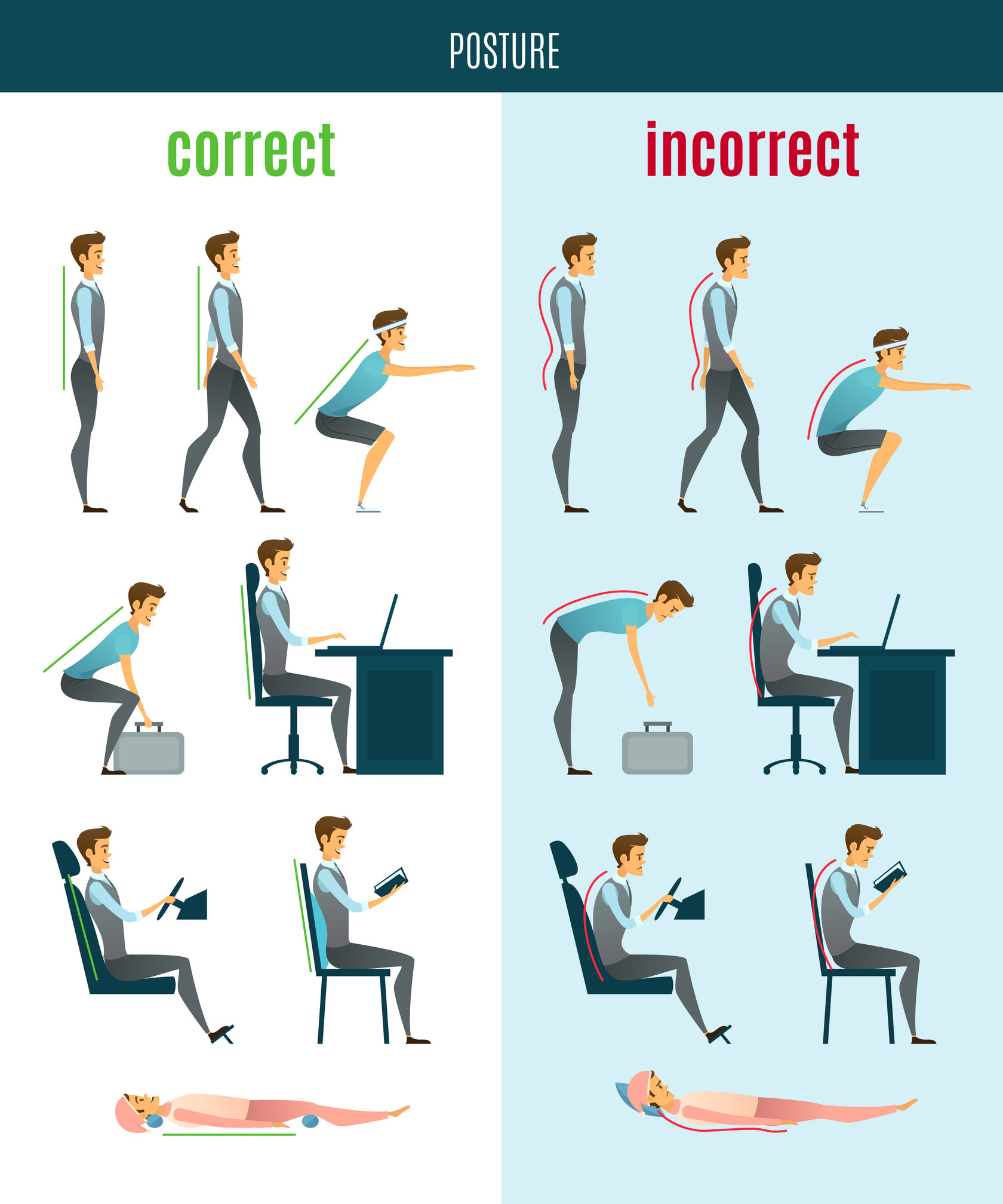
Top 5 Ergonomic Principles to Transform Your Workspace
In today's fast-paced work environment, implementing ergonomic principles can significantly enhance productivity and well-being. These principles focus on designing a workspace that fits the user's needs, helping to minimize discomfort and reduce the risk of injury. Here are the top 5 ergonomic principles that you can adopt to transform your workspace:
- Chair Height: Ensure your chair is adjusted so your feet rest flat on the floor, with knees at a 90-degree angle.
- Desk Setup: Position your monitor at eye level, about an arm's length away, to prevent neck strain.
- Keyboard Position: Keep your keyboard at a height where your elbows are at 90 degrees, enabling you to type comfortably.
- Lighting: Utilize adequate lighting to reduce glare on screens, which can cause eye strain.
- Breaks and Movement: Incorporate regular breaks and stretching into your routine to reduce fatigue and promote circulation.
Counter-Strike is a highly popular first-person shooter game that pits teams of terrorists against counter-terrorists in various objective-based missions. Players can choose to play locally or online, and the game has a vibrant esports scene with tournaments around the world. For those who play on a MacBook Air, you might want to check out the Top 10 MacBook Air accessories to enhance your gaming experience.
Is Your Workspace Causing You Pain? Signs You Need an Ergonomic Upgrade
In today's fast-paced work environments, workplace ergonomics often takes a backseat to productivity. Unfortunately, an improperly designed workspace can lead to a range of physical discomforts. If you frequently experience muscle strain, joint pain, or fatigue, it may be time to evaluate your setup. Common signs that your workspace is causing you pain include:
- Constant neck and shoulder tension.
- Frequent headaches.
- Numbness or tingling in your arms or hands.
- Lower back pain after extended periods of sitting.
Being aware of these warning signs can help you take proactive steps toward a healthier work environment. Ignoring ergonomic issues can not only affect your comfort but also your overall productivity and well-being. If you're experiencing any of these symptoms, consider making adjustments such as:
- Investing in an adjustable chair that supports your lower back.
- Arranging your computer monitor at eye level to reduce eye strain.
- Utilizing a standing desk to improve posture.
- Taking regular breaks to stretch and relieve tension.
Remember, the goal is to create a workspace that promotes well-being and efficiency, ensuring you remain productive without compromising your health.
The Ultimate Guide to Choosing Ergonomic Office Furniture
When it comes to enhancing productivity and maintaining health in the workplace, ergonomic office furniture plays a crucial role. Selecting the right pieces can significantly minimize discomfort and reduce the risk of injury. To begin with, consider your needs: identify how many hours you spend at your desk and what specific issues you encounter, such as back pain or wrist strain. A good place to start is by examining essential furniture elements like chairs, desks, and accessories. For instance, opting for an adjustable chair with lumbar support or a standing desk can revolutionize your workspace.
Once you've outlined your requirements, look for ergonomic features that best suit your preferences. The ideal ergonomic office furniture should promote good posture while allowing for movement and personalization. Here are some key factors to consider:
- Desk Height: Ensure your desk allows your elbows to sit at a 90-degree angle.
- Chair Fit: Choose a chair with adjustable height and a seat that supports your lower back.
- Accessories: Use keyboard trays or monitor stands to ensure proper alignment of your screen and hands.
Investing in quality ergonomic furniture not only enhances your comfort but also promotes long-term health benefits, making it an essential aspect of any productive workspace.