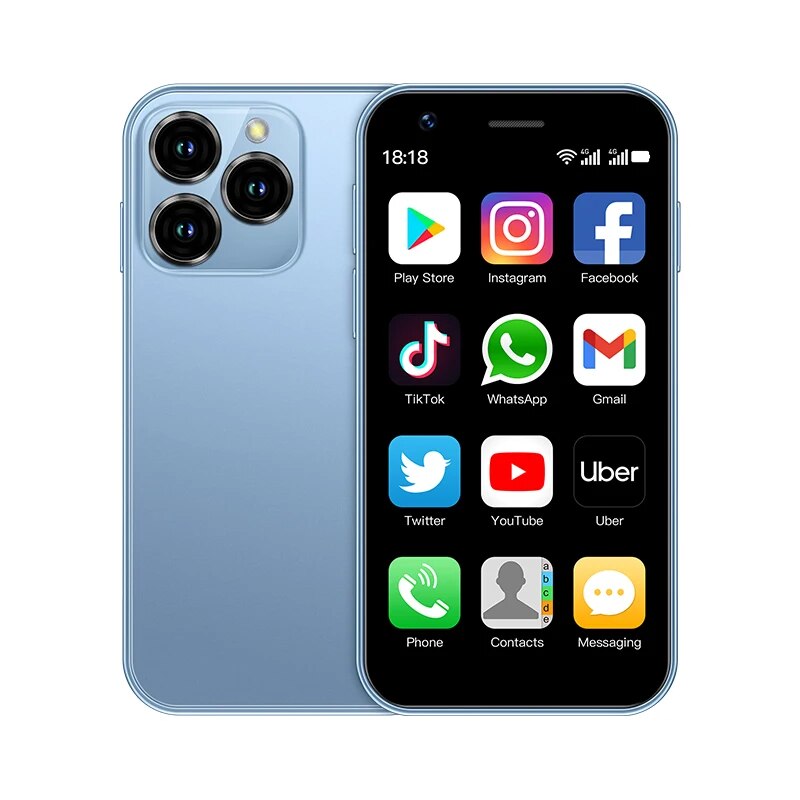
How Smartphones Revolutionized Communication: A Deep Dive
In the past two decades, smartphones have significantly transformed the way we communicate, breaking down barriers of distance and time. Unlike traditional mobile phones, smartphones integrate advanced technology with features such as instant messaging, video calls, and social media, enabling users to connect in real-time with anyone around the globe. This revolution in communication has fostered a more interconnected world, where ideas and information can be shared instantaneously, and businesses are able to reach clients and partners more effectively than ever before.
One of the most notable changes brought by smartphones is the shift towards mobile-first communication. With the majority of internet users now accessing online platforms through their handheld devices, businesses and content creators are challenged to ensure their messaging is not only engaging but also accessible on smaller screens. Moreover, the rise of apps like WhatsApp, Facebook Messenger, and Slack has made it possible for individuals and teams to communicate efficiently, ensuring smartphones play a critical role in our daily interactions. The evolution of communication in this mobile era has led to new norms and expectations, such as immediate responses and the importance of maintaining a strong online presence.
Counter-Strike is a popular tactical first-person shooter game that emphasizes team play and strategy. It pits two teams, terrorists and counter-terrorists, against each other in various game modes. Players must use their skills and coordination to complete objectives or eliminate the opposing team. One of the essential aspects of Counter-Strike is managing resources effectively, similar to selecting the Top 10 magsafe wallets for daily convenience.
The Impact of Smartphones on Daily Life: Convenience or Distraction?
The advent of smartphones has undeniably transformed our daily lives, offering a level of convenience that was unimaginable just a couple of decades ago. With a single device, we can communicate instantly with friends and family, access vast amounts of information, and manage our schedules seamlessly. For instance, apps for task management, navigation, and online banking have streamlined our routines, allowing us to accomplish tasks more efficiently. According to a recent study, over 80% of smartphone users report that their device helps them stay organized and connected, highlighting its role as an essential tool in modern life.
However, this convenience comes at a potential cost. While smartphones keep us connected, they also present significant distractions that can impact our productivity and mental health. Many users find themselves frequently distracted by notifications from social media, games, and other applications, leading to a decline in focus and overall well-being. A survey revealed that 70% of respondents believe their smartphone use interferes with their daily tasks, indicating a growing concern about the delicate balance between convenience and distraction. In evaluating the impact of smartphones on our daily lives, we must consider whether these devices serve more as a tool for efficiency or a source of continuous interruption.
Are Smartphones Making Us Smarter or Just More Dependent?
The impact of smartphones on our cognitive abilities has been a topic of extensive debate. On one hand, smartphones provide us with instant access to vast amounts of information, making it easier to learn and stay informed. With access to educational apps, online courses, and a plethora of resources at our fingertips, it's clear that technology can enhance our knowledge base. For instance, platforms like Duolingo and Khan Academy allow users to acquire new skills and knowledge at their own pace, potentially making us smarter in the long run.
However, the downside to this convenience is our growing dependence on these devices. Many of us find it challenging to recall simple facts or perform basic calculations without the aid of our smartphones. This reliance has raised concerns among psychologists and educators, who argue that our cognitive functions may be deteriorating as we neglect traditional methods of learning and memorization. Moreover, the constant notifications and distractions presented by smartphones can lead to decreased attention spans and productivity. Ultimately, the question remains: are we using smartphones to augment our intelligence, or are we allowing them to make us less capable?