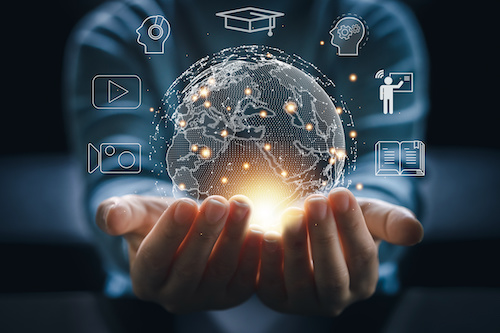
How Smart Technology is Reshaping Our Daily Routines
In today's fast-paced world, smart technology is fundamentally altering how we manage our daily routines. From smart home devices that streamline household chores to fitness trackers that monitor our physical activity, these innovations are designed to enhance convenience and efficiency. For example, voice-activated assistants like Amazon Alexa and Google Assistant allow users to control appliances, set reminders, and even manage their schedules with simple voice commands. This integration of technology into our everyday lives is not just a trend; it's a significant shift towards automation that saves time and energy.
Moreover, as smart technology continues to evolve, its impact on our routines is becoming more pronounced. Smart appliances, such as refrigerators that track food inventory or ovens that can be preheated remotely, are making meal preparation and grocery shopping more efficient. Additionally, wearable devices that collect health data encourage users to adopt healthier habits by providing real-time feedback on their physical activity and sleep patterns. As we embrace these advancements, the way we approach our daily tasks is changing, leading to a more organized and productive lifestyle.
Counter-Strike is a popular first-person shooter game that has garnered a massive following since its inception. Players are divided into teams, usually terrorists and counter-terrorists, as they compete to complete objectives such as bomb defusal or hostage rescue. The game requires quick reflexes, strategic thinking, and teamwork to succeed, making it a staple in the esports community. For those looking to enhance their gaming experience, here are some Top 10 airtag accessories that can provide added convenience and utility.
The Impact of AI on Everyday Decision Making
Artificial Intelligence (AI) has rapidly transformed the way we make decisions in our daily lives, from simple choices like what to eat to more complex ones involving financial investments. As AI technologies continue to evolve, they integrate seamlessly into various applications, enabling individuals to access personalized recommendations tailored to their preferences. For instance, AI-driven algorithms analyze user behavior on streaming platforms to suggest movies or shows that users are likely to enjoy, enhancing the entertainment experience. Furthermore, platforms like Google Maps utilize AI to provide real-time traffic updates and route optimization, allowing users to make informed decisions about their commutes and travel plans.
Moreover, the impact of AI on everyday decision making extends into the realm of health and wellness. Wearable technology equipped with AI features helps monitor vital signs and provides insights into personal health trends. When users receive alerts about irregular heart rates or are reminded to stay hydrated, they become more conscious of their health choices. As consumers increasingly depend on AI tools for guidance, it is essential to remain aware of potential biases embedded in these algorithms. By understanding these influences, individuals can navigate their decision-making processes more effectively and ensure that they are not solely relying on technology without critical thinking.
Are We Ready for the Future? Exploring the Role of Tech in Daily Life
As we delve into the question, Are we ready for the future? it becomes crucial to examine the pivotal role technology plays in our daily lives. From the moment we wake up to the sound of our smart alarms to the convenience of voice-activated assistants, technology has seamlessly integrated itself into our routines. According to a recent study, over 90% of people use some form of technology daily, whether for work, communication, or entertainment. This ubiquity raises important questions about our preparation for future advancements and the potential changes they may bring.
Moreover, the rapid pace of technological innovation necessitates continuous adaptation. The emergence of artificial intelligence, the Internet of Things, and blockchain technology are not just buzzwords; they are reshaping industries and influencing consumer behavior. As we ponder our readiness for future challenges, it's essential to consider how we can harness these tools effectively and ethically. Embracing technology in our daily lives could lead to enhanced productivity and improved quality of life, but only if we are willing to engage critically with its implications.